The parable of the sower
Categories: religion philosophy parables
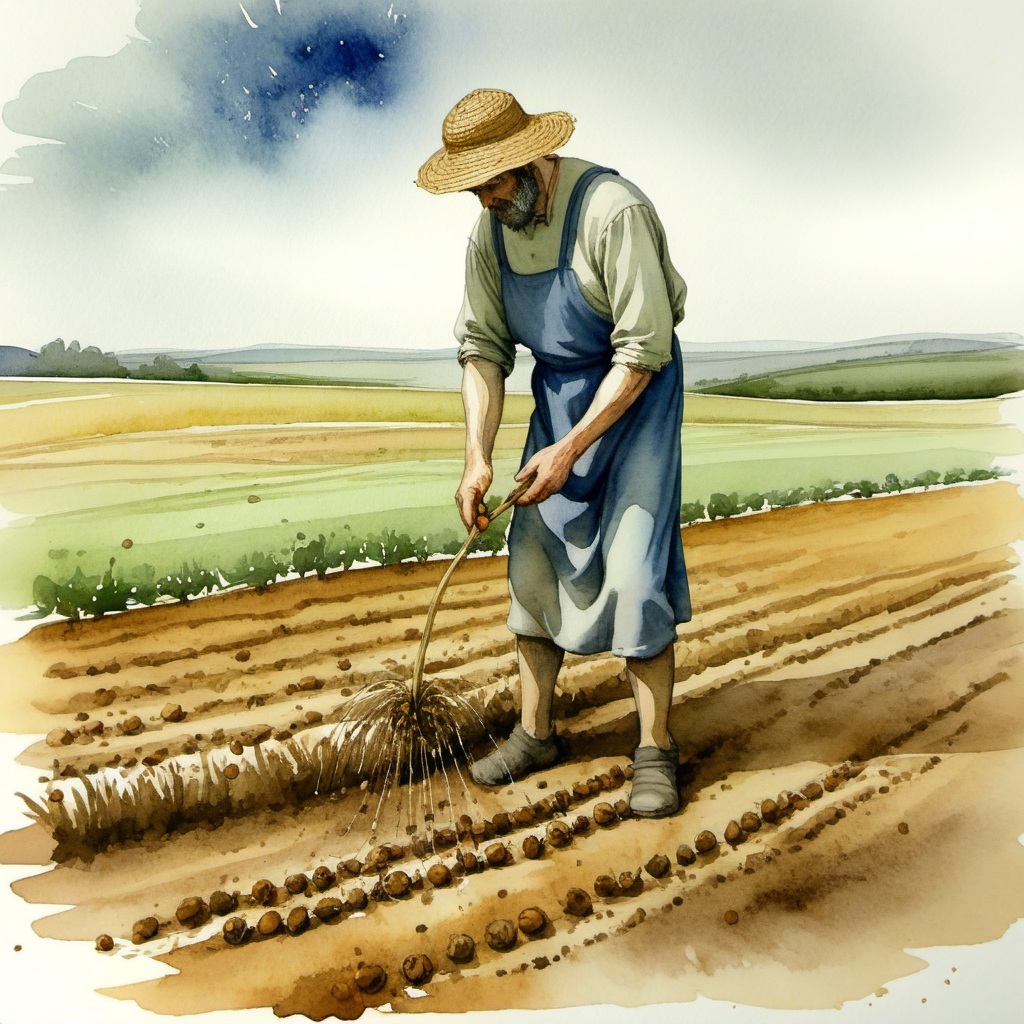
The Parable of the Sower tells the story of a sower who scatters seed across various types of soil. Some falls on the path and is eaten by birds, some on rocky ground where it withers, some among thorns that choke it, and some on good soil, yielding an abundant harvest. This parable illustrates how people receive God's word differently based on the condition of their hearts, highlighting the importance of openness and receptiveness to spiritual truths, and the potential for growth and transformation that comes from accepting the message of the Kingdom of God.
The Imagery of the Sower Going Out to Sow Seed
In the vivid scene painted by Jesus, we encounter a sower, a figure who embodies both purpose and intent. The act of sowing seed is a profound metaphor that resonates with the journey of faith and the dissemination of God’s word.
Imagine the sower stepping out into the fields, the warm sun illuminating his path. There is a sense of determination in his stride, as he carries a pouch of precious seed, each grain imbued with the potential for life and growth. As he walks, he scatters the seed generously, not with hesitation or fear, but with open hands that reflect the heart of the Father who longs for all to come to Him.
This imagery speaks to the abundant grace of God. The sower does not limit his efforts to the fertile spots, rather, he casts the seed across the entire field, recognising that every patch of land, no matter how stubborn or rocky, holds the possibility of transformation. The seed symbolises the word of God, rich with promise and vitality, intended to reach every corner of the earth.
Through the act of sowing, we see the essence of evangelism. A call for believers to spread the gospel indiscriminately. The sower’s approach encourages us not to judge the receptiveness of others prematurely. Just as the sower does not withhold the seed based on the appearance of the soil, we too are invited to share the message of hope and redemption with all, trusting that the divine hand will nurture what we may not initially perceive as fruitful.
As we contemplate the imagery of the sower, we are reminded of God’s unwavering generosity. Each seed cast forth represents an opportunity for growth, a chance for individuals to encounter the transforming love of Christ. It beckons us to consider our own role in this timeless narrative—are we willing to step into the fields of life, to sow the seeds of faith wherever we go?
In the act of sowing, we embody the spirit of Christ, who was sent to heal, to teach, and to redeem. The sower’s journey encourages us to take bold steps into the unknown, trusting that the harvest, though perhaps not immediate, will eventually come to fruition through the grace of God.
The Different Types of Soil and Their Significance
Jesus presents us with four distinct types of soil, each symbolising the varied responses of individuals to the word of God. Understanding the significance of these soils allows us to reflect on our own spiritual receptivity and the conditions that influence our faith journey.
The Pathway
The first type of soil is the hardened pathway, where seed falls but is quickly devoured by birds. This soil symbolises hearts that are closed off and resistant to the message of God. The pathway, worn down by countless footsteps, represents a lack of openness to spiritual truths.
Individuals with pathway hearts may hear the gospel but find it difficult to engage. External distractions or past experiences may contribute to their hardened demeanour. The significance here is profound. It reminds us that the seed of God’s word requires a receptive heart, willing to engage and ponder rather than dismiss or ignore. Those with pathway hearts are challenged to soften their edges and open themselves to the possibility of receiving God’s love.
The Rocky Ground
Next is the rocky ground, where the seed takes root in shallow soil, sprouting quickly but lacking depth. This represents those who initially embrace the word of God with enthusiasm, perhaps even experiencing a spiritual awakening. However, when challenges arise, be it trials, persecution, or doubts, these individuals wither away, unable to sustain their faith.
The rocky ground serves as a cautionary tale about the need for deep, nurturing roots in our relationship with God. It underscores the importance of spiritual discipline, which requires diligence in prayer, study, and fellowship. Without these practices, faith remains superficial and vulnerable to the trials of life. Those resonating with this soil are called to cultivate depth in their spiritual lives, building a foundation that can endure the tests of time.
The Thorny Ground
The third type of soil, the thorny ground, illustrates the struggle between faith and worldly distractions. Here, the seed does germinate, but it is eventually choked by thorns, which represent life’s worries, the deceitfulness of riches, and the pursuit of worldly pleasures. This soil symbolises individuals who may have a genuine interest in God but become entangled in the cares of everyday life, allowing these concerns to stifle their spiritual growth.
The significance of this soil speaks to the dangers of prioritising earthly pursuits over spiritual matters. It challenges us to evaluate our priorities and to create space for God in our lives, acknowledging that true fulfilment does not come from material wealth or worldly success. For those who relate to the thorny ground, the call is to actively discern what is occupying their hearts and to remove what hinders their growth, making room for God’s word to flourish.
The Good Soil
Finally, we arrive at the good soil, where the seed takes root and produces a bountiful harvest. This soil represents hearts that are prepared, receptive, and willing to nurture their faith. The significance of good soil lies in its openness to God’s word and the willingness to cultivate a life that reflects His love and teachings.
Those who embody good soil engage with scripture, seek to grow in their relationship with Christ, and allow the Holy Spirit to transform their lives. The harvest of thirty, sixty, or even a hundredfold signifies not only personal growth but also the broader impact that one’s faith can have on the community and the world. It highlights the abundance of God’s grace and the fruitfulness that comes from a life committed to Him.
Applications of the Parable
The Parable of the Sower is rich with lessons that transcend time, offering practical applications for our daily lives and spiritual journeys. By reflecting on this parable, we can draw guidance on how to cultivate our faith and share it with others. Here are several key applications to consider.
Reflecting on Personal Soil
One application of this parable is the invitation to examine our own hearts. Each of us may find ourselves representing one of the four types of soil at different stages of our spiritual journey. By taking an honest assessment of our responsiveness to God’s word, we can identify areas where we might be struggling or thriving.
For instance, if we recognise traits of the pathway, we may need to open our hearts to God’s truth and seek ways to engage with it more deeply. If we see ourselves in the rocky ground, it may prompt us to dig deeper into our faith, cultivating practices that anchor us when challenges arise. Acknowledging our current state provides a foundation for growth and allows us to intentionally seek improvement in our spiritual lives.
Fostering Good Soil
The parable encourages us to actively cultivate good soil in our hearts. This involves creating an environment conducive to spiritual growth. Engaging in regular prayer, studying scripture, and joining community groups can help us develop a richer understanding of God’s word and its application in our lives.
Additionally, maintaining an attitude of humility and receptivity fosters good soil. Being willing to learn, grow, and sometimes even be challenged by new insights allows God’s word to take root and flourish in our hearts. By fostering good soil, we position ourselves to experience the transformative power of the gospel, enabling us to bear fruit in every season of life.
The Role of the Sower
The Parable of the Sower also emphasises our responsibility as sowers of God’s word. Each of us is called to share the good news of Jesus Christ, to cast seeds of faith wherever we go. This might take the form of sharing our testimonies, offering encouragement to those in need, or simply living out our faith authentically.
As we sow, we are reminded not to judge the condition of others' hearts prematurely. We may encounter individuals who appear resistant, fearful, or consumed by worldly distractions, yet we are called to sow seeds generously, trusting that God will work in their lives in His perfect timing. This application encourages us to cultivate a spirit of grace and patience, understanding that not every seed will flourish instantaneously, but that the act of sowing is itself a valuable contribution to God’s kingdom.
Building a Community of Growth
Incorporating the lessons from this parable within our church or community settings can lead to collective growth. When we support one another in cultivating good soil, we create an environment where faith thrives. This involves fostering conversations about our spiritual journeys, sharing challenges, and celebrating victories together.
By creating spaces for open dialogue, accountability, and encouragement, we can collectively respond to God’s call. In doing so, we reinforce the importance of nurturing each other's faith and invite others to join in the rich and abundant life found in Christ.
Living Out the Harvest
Finally, the ultimate aim of the Parable of the Sower is to inspire a fruitful harvest. A life that reflects the love and teachings of Christ. This calls each of us to consider how our faith can impact the world around us. Are we sharing the love of Christ with our neighbours? Are we actively participating in our communities to promote justice, kindness, and mercy?
By allowing the seeds of faith to grow deeply in our lives, we are equipped to bear fruit that brings glory to God and serves others. The harvest may manifest in various forms—be it acts of service, encouragement to those in despair, or simply demonstrating Christ’s love in our daily interactions. Through our commitment to living out our faith, we invite others to experience the goodness of God and the transformative power of His word.
Broader Implications
Impact on Community
Understanding and applying the Parable of the Sower can have profound effects on the health and growth of our communities. When individuals in a community take the time to recognise their own spiritual condition, whether they are like the path, rocky ground, thorns, or good soil, they begin a journey of self-improvement. This introspection fosters a collective spirit of growth and accountability as members strive to transform their lives according to God’s teachings.
In a harmonious community, members support one another in nurturing their spiritual lives, encouraging each other to cultivate deeper roots in faith. For instance, individuals who initially struggle with understanding God’s word, represented by the path, could find support through study groups and mentorship from those who embody the good soil. This reciprocity fosters an attitude of love and patience, creating an environment where individuals can grow without judgment.
As community members collectively engage in personal transformation, the community itself becomes a thriving garden of faith. Together, they can plant seeds of kindness, compassion, and service, which can yield a fruitful harvest that not only strengthens their bonds but also attracts others seeking belonging and purpose. The parable encourages believers to view their community as an extension of their spiritual journey, emphasising that the fruits of faith are amplified when shared.
Mission Beyond the Church
The invitation to live out the Gospel outside the walls of the church is a vital aspect of being a modern-day sower. Many may feel uncertain about how to share their faith in everyday life, but the parable illustrates that the act of sowing does not require grand gestures. Rather, it calls for intentionality in the small, everyday interactions with others.
To embody the sower means to approach each moment with an awareness that everyone we encounter is a potential recipient of God's message. Simple acts of kindness—listening to a friend in need, offering a word of encouragement, or demonstrating compassion in a moment of frustration—serve as seeds that can lead to heartfelt conversations about faith. In workplaces, neighbourhoods, or social gatherings, being proactive in showing love and grace exemplifies the essence of the Gospel, making the message of Christ accessible to those who may not otherwise encounter it.
This mission extends to recognising the various 'soils' that surround us. Some individuals may be hardened by life experiences or overwhelmed by worldly concerns, metaphorically representing the path and the thorns. It’s essential to approach these individuals with empathy and understanding, nurturing an environment where they can feel safe to explore their faith journey. The sower’s job is not to force belief but to scatter seeds with generosity and hope, trusting that God will do the rest.
By inviting others to actively participate in this mission, we help them realise the power of their influence in everyday contexts. As they embody the role of the sower, they contribute to a greater narrative of community transformation, showcasing how faith can flourish in their lives and the lives of others. In doing so, they become bearers of light in a world desperately in need of hope and truth, ensuring that the Gospel spreads far beyond the church and into the hearts of many.