Fresh Air & Fitness - How to Stay Active in Retirement Without Spending a Fortune
Categories: retirement
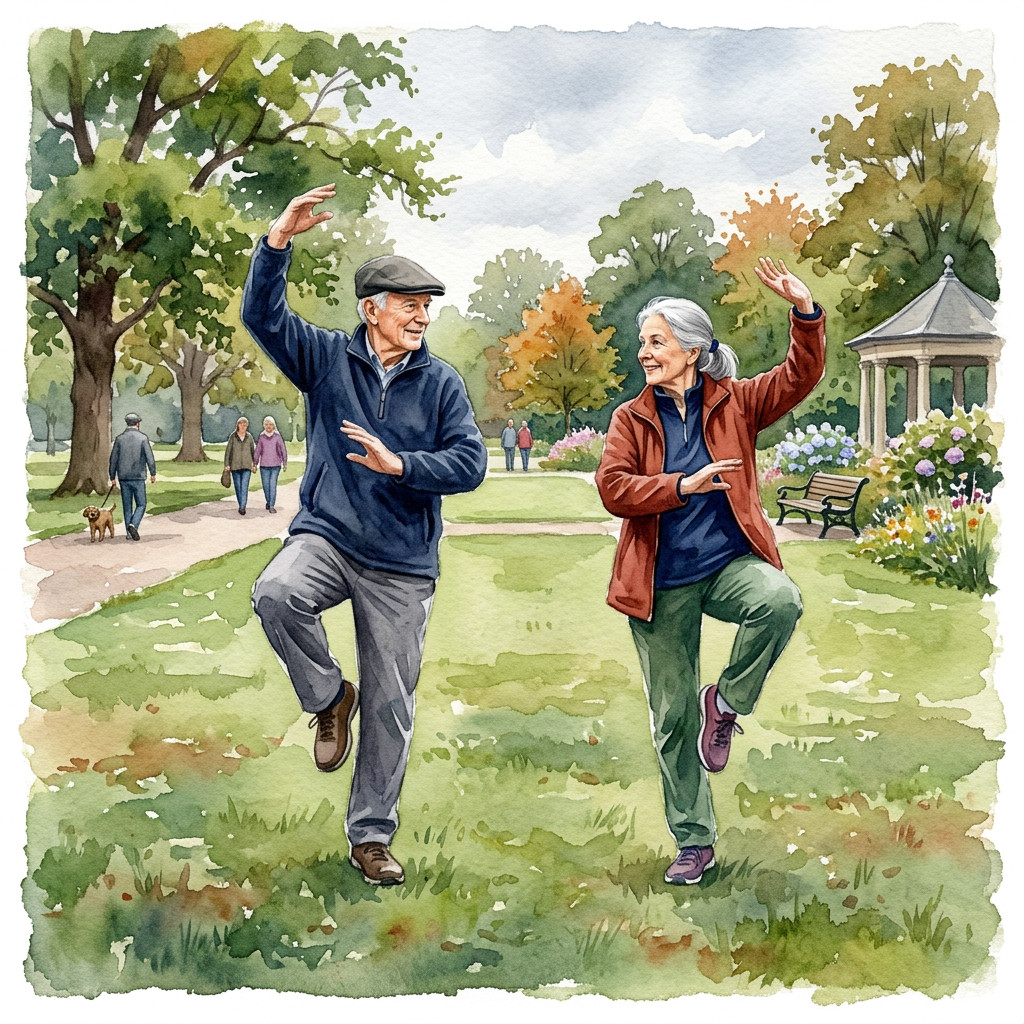
Retirement is a big change. You no longer have to wake up early, rush for the train, or negotiate a packed schedule. Now, you get your time back. For many UK retirees, new opportunities are right outside your door. You can stroll along a canal, join a Saturday morning Parkrun, or simply enjoy your local park. The best part is that enjoying nature is free.
Staying active in retirement does more than help with weight. Moving regularly lowers your risk of heart disease, type 2 diabetes, dementia, and depression. It helps both your body and mind. Being active also improves sleep, keeps you sharp, and strengthens your bones, which all support healthy ageing. For retirees on a fixed income, staying active can result in fewer trips to the doctor, making it a smart choice for your health and your wallet.
The best part is you don't need to pay for memberships or equipment to get these benefits. The UK has 140,000 miles of public footpaths and many free green spaces, so you can easily enjoy nature and exercise at no cost. Taking part in outdoor activities also gives you new chances to meet people, which is great for your mental and emotional health.
Step Outside - Britain's Backyard is Your Gym
Let's start with the simplest and often most overlooked exercise for UK retirees: walking. The NHS suggests that people aged 65 and over aim for at least 150 minutes of moderate activity each week. This might seem like a lot, but a 25-minute walk each day is enough. Walking is free and doesn't require any special skills - just comfortable shoes. Whether you're on the high street or hiking in the Lake District, anyone can walk and enjoy the benefits.
Britain's public rights of way are a hidden gem, stretching across the countryside, woods, moors, and coasts. You can use Ordnance Survey Maps or websites like AllTrails.com to find local routes, including details about difficulty and reviews. That way, you can choose a walk that suits your fitness level.
If you like more structure and company, consider the Ramblers Association, a national walking charity. They organise group walks of all lengths and levels, led by local volunteers. Membership is affordable, and many groups let you try a walk for free before joining. Walking with others helps you feel motivated and safe on new routes. It's also a fun social activity that many retirees enjoy each week.
Making the Most of the UK's Natural Spaces
The UK has a wide range of natural places to explore. Besides your local footpaths, you can visit England's 10 National Parks, like the Peak District, Lake District, Dartmoor, or Yorkshire Dales. All of them are free to enter. There are thousands of walking and cycling routes for all abilities. Wales has Snowdonia and the Brecon Beacons, and Scotland offers the Cairngorms and Trossachs for more wild, open spaces. Together, these places make up a wonderful national collection.
The National Trust is also a great option. It gives you access to hundreds of historic houses, gardens, coastal paths, and reserves in England, Wales, and Northern Ireland. Scotland has similar places through the National Trust for Scotland. If you're over 60, you can get discounted rates. If you visit often, annual membership can be a good deal.
Closer to home, don't miss out on hidden gems. Country Parks run by local councils are often free and perfect for an easy walk or a relaxing day outside, without needing special plans or transport. The UK's canal towpaths, looked after by the Canal & River Trust, offer flat, peaceful, and traffic-free paths for walking and cycling. They're great for anyone with joint or mobility issues. Few things are more British than walking along a canal and stopping at a pub for lunch.
Don't forget the coast. England's Coast Path will eventually stretch for 2,700 miles around the country. Many parts are already open and free to explore. Walking by the sea gives you some of the best views in Europe. The fresh air, lovely scenery, and gentle exercise can really boost your mood.
Staying Fit Without the Gym - It's Easier Than You Think
You don't need a gym to stay fit, especially in retirement. Most fitness goals now are about staying strong, flexible, balanced, and keeping your heart healthy. There's no need to worry about building big muscles or doing intense sports. The good news is your body is made to move outdoors. Many exercises for older adults only need a patch of grass, a sturdy park bench, or even your living room floor.
Nordic walking is a great way to stay fit. Using lightweight poles turns a walk into a full-body workout, working your arms, shoulders, back, and core. It's gentle on your joints and helps with posture and balance. Many groups and centres offer sessions, and the poles are easy to find and affordable.
Outdoor yoga and tai chi are becoming more popular with UK retirees. Local parks, especially in spring and summer, often have low-cost or volunteer-led sessions. Both exercises help with flexibility, balance, and peace of mind. These benefits become even more important as we age. Falls are a real risk, but tai chi has been shown to help prevent them.
If you enjoyed swimming when you were younger, now could be a great time to start again. Many council leisure centres offer discounted or even free sessions for older people. Check with your local council to see what's available near you. If you're feeling adventurous, wild swimming is also very popular in the UK. Rivers, lakes, reservoirs, and the sea are all free places to swim, and there are many wild swimming clubs, so you'll probably find a friendly group nearby. Cold water swimming has proven health benefits, like better circulation, a better mood, less inflammation, and a stronger immune system.
Free Digital Tools and NHS Support
Living in the UK means you have access to one of the world's best public health systems. The NHS offers many free resources to help retirees stay active. The NHS Couch to 5K app is a free, beginner-friendly running program. It has helped millions of people of all ages train to run 5 kilometres in just 9 weeks. The program starts with almost no fitness and builds up slowly, making it a good choice for retirees who haven't exercised in a while.
The NHS Fitness Studio website has a library of free exercise videos for older adults. These include chair-based exercises, balance workouts, and gentle aerobics. If you have arthritis or joint pain, Versus Arthritis (versusarthritis.org) offers free personalised exercise advice to help you stay active safely and comfortably. The Age UK website is another helpful resource, with a section on activity and exercise and a programme finder to help you find local sessions.
YouTube also has plenty of free workout videos. Channels like Yoga with Adriene, The Body Coach, and others offer hundreds of free videos for seniors. You can pick from gentle morning stretches to more intense cardio routines, all from your living room. Ideal for when it's raining outside.
One of the most valuable but often overlooked benefits of outdoor activity in retirement is how it helps your social well-being. Keeping connected through outdoor activities helps fight loneliness, which is a common health risk for retirees. Joining group activities or community events not only improves your physical health but also supports your mental well-being, making outdoor exercise a well-rounded benefit.
Parkrun is a great example of community fitness. Every Saturday at 9 am, thousands of free, timed 5K events happen in parks across the UK. People of all ages and abilities are welcome. Retirees can walk the whole course - there's no need to run, no pressure, and it's completely free. Parkrun groups are friendly and welcoming, and many retired people say it's the social highlight of their week. To join, just register once at parkrun.org.uk and you're ready to go.
The U3A (University of the Third Age) is another great resource for UK retirees. With branches in towns and cities across the country, U3A runs interest groups on topics like history, languages, music, art, and also walking, cycling, and outdoor activities. Membership is affordable and can be a great way to make new friends.
Useful Tips to Get You Started
You don't need a big plan or a lot of money to get started. Here are a few simple, practical steps to help you begin:
-
Apply for a free Senior Bus Pass, so you can get to the countryside, nature reserves, or coastal paths without the cost of driving or parking.
-
You could also invest in a Senior Railcard (£30 per year) to get one-third off rail fares, making day trips to National Parks, coastal paths, and countryside destinations more affordable.
-
Pick up walking gear for less at charity shops, which are great for finding waterproof jackets, walking boots, and fleeces at a fraction of the usual price.
-
Start small and build up gradually. A 10-minute walk around your block is a great way to begin. What matters most is being consistent, not how hard you push yourself.
-
Ask your GP about local "green prescribing" schemes and fall prevention classes.
Conclusion
Retirement isn't the end of being active - it's the start of a more purposeful approach to health and fitness. With the UK's beautiful landscapes, wide network of public footpaths, active community of walkers and outdoor fans, and many free NHS and council resources, it's easier than ever to remain fit, healthy, and connected, no matter your budget.
You don't need a gym, expensive equipment, or a personal trainer. All you need is a comfortable pair of shoes and the willingness to step outside. Every walk, every breath of fresh air, and every mile you travel is an investment in a longer, healthier, and happier retirement.
Britain's great outdoors is waiting for you. Now is the perfect time to explore it.